PCOS affects millions of women in Pakistan. Many hear the diagnosis and feel lost. They get a list of banned foods and no real guidance. This guide changes that.
A good PCOS diet plan for Pakistani women works with desi food, not against it. You keep roti, rice, daal and sabzi. You change portions, timing and cooking methods. Small changes, done daily, manage symptoms better than any crash diet.
What PCOS Does to Your Body
PCOS is a hormone condition. It affects your periods, your weight and your skin. Insulin resistance is common with PCOS. Your body struggles to use insulin well. Blood sugar stays higher than it should.
Diet cannot cure PCOS. Diet can manage its symptoms. Stable blood sugar helps your hormones stay balanced. Healthy weight supports regular cycles. The right food choices reduce acne, hair fall and fatigue over time.
Why Desi Food Works for PCOS
Foreign diet plans fail Pakistani women. They ask you to buy quinoa, kale and almond flour. Our kitchens run on wheat, rice, lentils and seasonal vegetables. A plan you cannot cook is a plan you will quit.
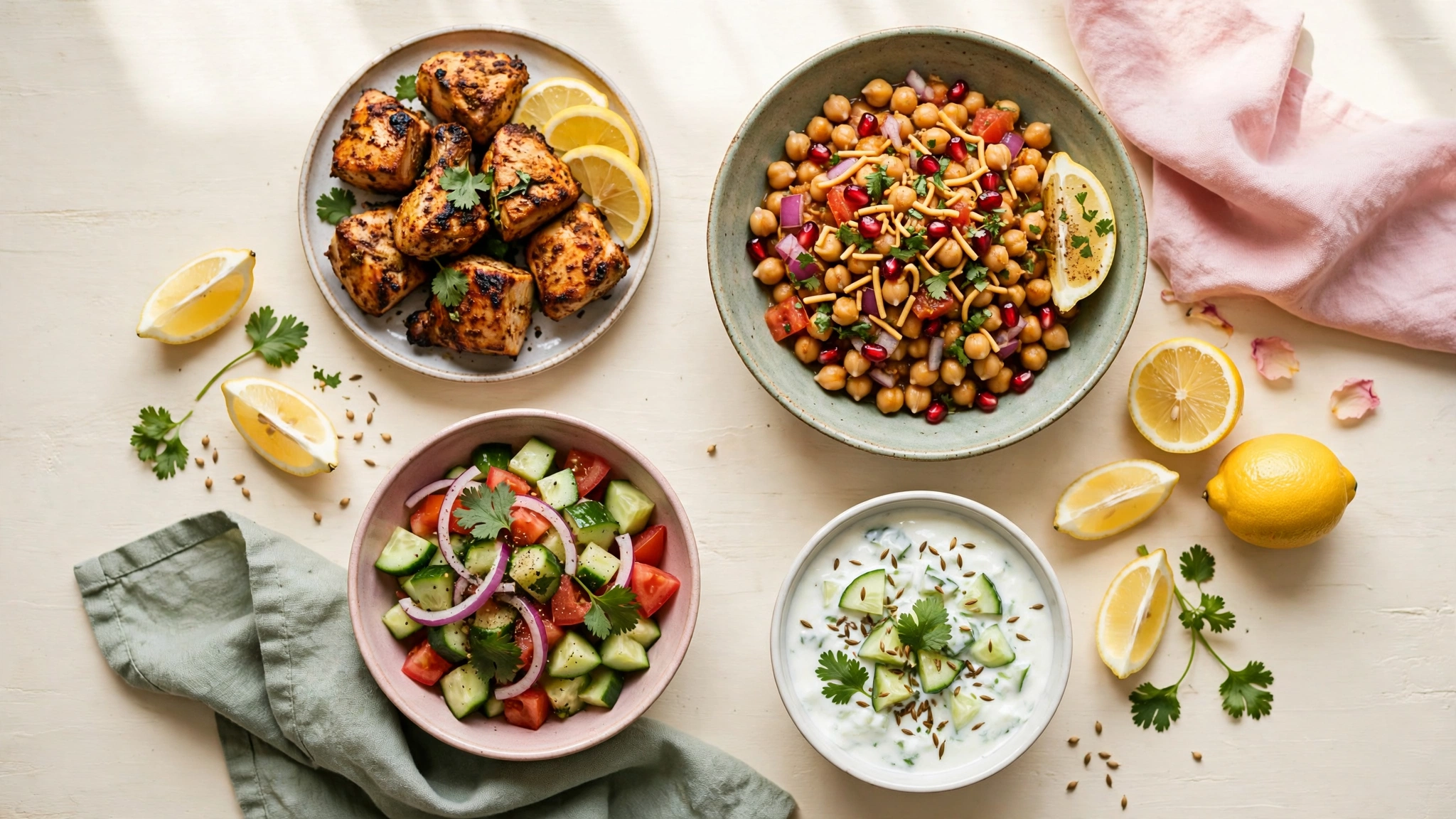
Desi food already has PCOS-friendly options. Whole wheat roti gives steady energy. Daal and chana add protein and fiber. Dahi supports gut health. Sabzi like palak, lauki, tori and karela are low in calories and rich in nutrients. The problem is never the food itself. The problem is quantity, oil and timing.
Foods to Eat More Of
Start with protein at every meal. Protein keeps you full and steadies blood sugar. Eggs, chicken, fish, daal, chana, lobia and dahi are all good choices. Aim for a palm-sized protein portion at lunch and dinner.
Add fiber through vegetables and whole grains. Fill half your plate with sabzi. Choose whole wheat roti over white naan. Brown rice or small portions of white rice work better than large plates.
Healthy fats support hormones. Use mustard oil or a small amount of desi ghee for cooking. Add a few nuts like almonds or walnuts as a snack. Avoid deep-fried snacks and bakery fats.
Do not skip meals. Skipping breakfast or dinner leads to overeating later. Eat three regular meals with one or two small snacks. Regular timing helps insulin work better.
Foods to Limit, Not Fear
You do not need to fear any single food. Limits matter more than bans. Reduce sugary tea, especially doodh patti with three spoons of sugar. Cut back on mithai, bakery items and cold drinks. These spike blood sugar fast.
Watch white flour products. Naan, kulcha and bakery breads digest quickly. They raise blood sugar and hunger soon after. Replace them with whole wheat roti most days.
Reduce deep-fried food. Samosa, pakora and fries add many calories without nutrition. Enjoy them rarely, not weekly. Choose baked or air-fried versions when you crave them.
A Sample Day of Desi PCOS Meals
Breakfast: Two egg omelet with vegetables and one whole wheat roti. Or dahi with a small bowl of oats. Add green tea if you like.
Mid-morning snack: One apple or guava. Or a small handful of almonds.
Lunch: Two small rotis, one bowl of daal or chana, and a large plate of sabzi. Add a small bowl of salad.
Evening snack: Roasted chana or a boiled egg. Avoid biscuits and nimko.
Dinner: Grilled chicken or fish with vegetables. Or one roti with palak and daal. Keep dinner lighter than lunch. Eat at least two hours before sleep.
Drink water through the day. Aim for 8 to 10 glasses. Limit chai to one or two cups with less sugar.
Exercise and Sleep: The Other Half
Food alone is not enough. Walk 30 minutes daily. Brisk walking improves insulin sensitivity. Strength exercises twice a week help even more. You do not need a gym. Home workouts count.
Sleep matters for hormones. Poor sleep raises hunger hormones. Aim for 7 to 8 hours. Keep a fixed sleep time, even on weekends.
Manage stress too. High stress raises cortisol, which worsens PCOS symptoms. Prayer, deep breathing or a short evening walk all help.
PCOS and Weight: What to Expect
Weight loss with PCOS is slower than average. Hormones resist change. A loss of 0.5 kg per week is good progress. Even a 5 percent weight drop can improve cycles and fertility.
Do not compare yourself to others. Your friend may lose faster. Your body has its own pace. Track your waist size, energy and cycle regularity, not just the scale. These markers show real progress.
Common PCOS Diet Mistakes
The biggest mistake is crash dieting. Starving yourself slows your metabolism. Weight returns fast, often with more. Slow, steady eating wins.
Another mistake is cutting all carbs. Your body needs carbohydrates for energy and brain function. The fix is better carbs in right portions, not zero carbs.
Many women copy a friend’s diet plan. Your body, hormones and routine are different. A plan made for someone else rarely fits you. Get a plan made for your reports and lifestyle.
When to See a Dietitian
See a dietitian if your periods stay irregular, weight keeps rising or acne and hair fall worsen. Also come if you feel confused about what to eat. A clinical dietitian reads your reports and builds a plan around your real life.
Dr Aqsa Atta works with PCOS clients every day, online and at her Multan clinic. Plans are personal, desi and practical. If you want guidance that fits your kitchen and your schedule, book a consultation on WhatsApp at https://wa.me/923355308500.
By Dr Aqsa Atta, AHPC Registered Dietitian